Best Commuter Electric Scooter
Why Choosing the Right Option Matters
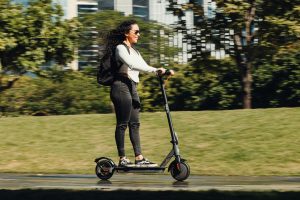
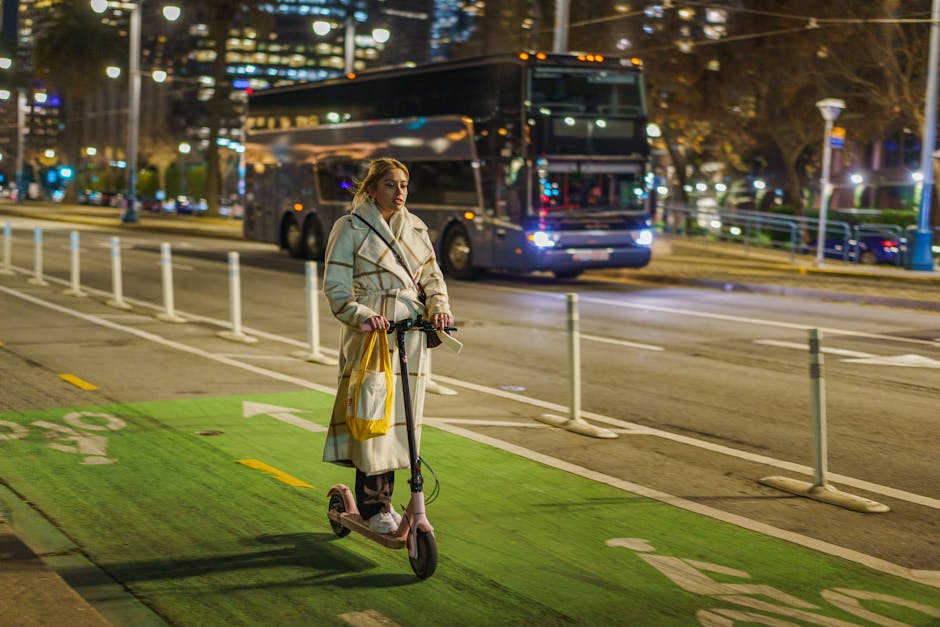
Hop on the best commuter electric scooter and suddenly that drag to work feels almost like a tiny victory. Choosing the right option isn’t just about avoiding cramped buses or ludicrous parking tickets it’s about whether you’re gliding above potholes with confidence or skidding to a halting mess every rain-drenched morning. I’ve ridden everything from big wobbly monsters to trim lightweights; when it fits your life—charging, folding, dragging it on the train—your whole routine just flows. Go too hardcore, and you’re sweating lugging it up the stairs. Pick too small, and that wobbly range-anxiety saps the fun. This decision echoes every time concrete turns to gravel or rain spits down, testing your wheels and your patience. It’s your daily sidekick, your escape route. Your whole commute shifts when the tool is right. Make it yours.
Key Features to Consider
Let’s talk practicality. The best commuter electric scooter absolutely lives and dies by its ride quality—bumpy sidewalks and random craters are just daily facts of life for us. Solid tires mean no flats, but your spine might file a complaint. Pneumatics roll far smoother, and you’ll want enough travel in the deck to handle curbs. Don’t forget range. Charge ratings mean little if real-world achievable mileage won’t make it through a rainy week without mid-day tethering. Commuter use demands foldability—latches should never rattle. Weight often gets overlooked; after three blocks on subway stairs, an extra five pounds isn’t minor. Good lighting is non-negotiable for urban crawlers. Speed? Only matters to a point; it’ll feel fast enough when you’re dodging Lyft cars. After weather-proofing and brakes—prefer regenerative backups—comes one feature nobody mentions: deck room. If your heels hang off, every red light wakes up your old foot injury. All things equal, choose what you’ll want to haul daily.
Battery Life and Range
Battery life and range define the difference between a best commuter electric scooter that actually makes your life easier and one that’s just an expensive time-killer. On a Tuesday morning when traffic resembles a parking-lot, you want confidence your ride won’t limp home on its last electron. Manufacturers quote optimistic ranges, but expect to get less—hills, winds, all conspire. Look for at least 20-mile real-world range. If your commute is short, don’t waste cash chasing a bigger battery—save weight. Plugging-in matters: fast-charging models are liberating, especially on days where your plans change. Lithium-ion batteries prefer partial charges; top-up anytime. Some scooters even let you swap packs. Is the charger compact enough for a desk drawer? Massive range saves brainpower, frees your routine, and eliminates the fuel-anxiety that ruins bad-weather commutes. To wake-up, grab a charged-up scooter and just go, nothing beats a dependable range. Period.
Motor Power and Speed
Motor power on your best commuter electric scooter isn’t just some number; it’s what pushes you ahead when traffic looks like a mechanized nightmare. Ideally, aim for 350-500W—enough to tackle urban hills, beat ride-share e-scooters, and actually merge with the cyclists. Anything less wheezes with two groceries on board. Speed? It isn’t just about going fast, it’s being able to safely clear the intersection when the walk sign winks. Get at least 15-20mph: quick enough for freedom, yet not so much it’ll flatten your teeth. Pick torque if your city is hilly; top-speed if your routes run straight. On a chilly Monday, horsepower saves time,( and face) more times than looks. Some ultra-compact scooters will promise crazy speeds—beware. Balance usable power with real-world comforts. Power matters.
Weight and Portability
Every commuter’s first real-world test with a best commuter electric scooter starts the moment they lug it up some unforgiving stairs or try to squeeze it between loud strangers on a morning train. Weight is not just a spec—too-heavy, and your shoulders swear vengeance; too-light, and it feels like plastic over cracks. Portability is more than folding-mechanisms promised by marketing; it’s whether you can actually grab it one-handed without knocking over coffee or catching your pants on sticky-out bolts. Quality commuter scooters walk this tightrope. I used one that folded in two seconds; another felt like a bench press in rush hour chaos. Test the weight—imagine navigating your actual morning decision points. Does the folding mechanism feel simply robust, or like you’ll slam your thumb in frustration? You’ll thank your back later.
Top Picks
After testing options across stability, range, and value, 4 picks stand out for different riders and budgets. The brands covered here — Hiboy S2, Segway Ninebot, and Niu K100P — each bring something distinct to the table. Whether you prioritise commuter range, lightweight portability, or outright value, one of these will fit your needs. Read the individual breakdowns below to find your match.
Best Overall Electric Scooter Under 1000
If you’re hunting the best commuter electric scooter for under $1000, the Hiboy S2 and S2 MAX jump out with the quiet confidence that comes from real-world upside. This thing has properly sorted ride quality—good rubber underfoot in 8.5- or 10-inch tire guise, meaning you feel less every crack on your daily hellscape of a commute. There’s nothing wildly overengineered: just thoughtful details—decent charging times, predictable braking, and a folding mechanism that only occasionally catches when grimy. Even better, the S2 boosts through flat city blocks at an honest 19-mph. Range is real—think upto 40 miles on the MAX. Hill limp is minimal, unless you insist on San-Francisco- style madness. Everyday it succeeds.
Check price for Segway Ninebot
Best for Commuting Under 1000
This is where Segway’s Ninebot E-series scooters make commuting genuinely less annoying. Zip past traffic at 15.5–20 MPH, feeling absolutely in-control. The E2 Plus II and E2 Pro handle broken pavement with unexpected poise—though if your roads are more ‘cratered-moon’ than ‘bike-path’, the E3 Pro’s dual-elastomer suspension just earns your worship. Foldable, light-enough to carry up stairs, yet seriously sturdy. Official UL 2272/2271 certification lets you charge in the office without those sketchy battery jitters. Even in rain, the deck doesn’t turn into a slip-n-slide—real-commuter peace of mind. You get great range for the class, and gadget-lovers will dig the smart features. For the sub-$1k crowd, this-delivers.
Real-World Performance
No one talks about the dread of hitting a freshly-repaved intersection at full tilt after a rainstorm, but that’s exactly when a commuter scooter’s traction and suspension matter. Day-to-day, subtle details like flicking the throttle by instinct, feeling grip or that half-second hesitation the first time you need to brake hard—these make or break your trust in the machine. Range claims are one thing; real-commuting is arriving after climbing two hills and genuinely not wanting to lie down. It’s how well the scooter rolls over cracked tarmac—or whether your wrist feels like jelly after a bad patch. Braking, too, is not the spec-sheet numbers, but confidence in a panic-type situation. The best commuter electric scooter snaps into life, carves a corner without wobble or weirdness, offering subtle feedback that lets you ride quickly, comfortably, and without thinking much about it. Zero overthinking. All real riding. That is freedom.
Maintenance and Durability
When you’re picking the best commuter electric scooter, maintenance isn’t just some box on a spec sheet—it’s the difference between a reliable ride and missed meetings. Road-splattered tires, rattling handlebars, rain-battered fenders: urban reality is messy, and your scooter needs to take it. In my experience, solid frames and stout deck hinges are worth every extra ounce. Forget plastic clamps—metal will save your knuckles. Don’t obsess about battery life: a worn tire or soggy bearings will ruin your week faster. Look for IP-ratings—if it rains, so be it but you should ride home without frying the wiring. Replaceable parts matter; trust me, finding a tiny proprietary bolt on Monday morning is a special kind of misery. Check reviews—real-world, not showroom. A good toolkit in your bag beats shiny features you can’t fix. Solid tires are tempting, but trade comfort; air-filleds demand pumps and occasional patches, yet they’ll outlast most cheap plastic bushings. If you want frictionless commuting, choose machines built.
Buying Tips
Start with something every best commuter electric scooter owner should face: how long is your real-world daily trip? Range claims take a hit when you push top speed, so always add a buffer. If your ride has hills or lots of stops, get something with grunt and good regen. Portability is crucial. Check folding mechanisms; swing one around in an elevator or a crowded train to see if you truly want that extra weight. Deck size? Vital. Big feet, big deck. Suspension and tires translate directly to pothole pain. If it pours where you live, look for a solid IP rating. Stock brakes matter more than top-end power—because city miles are unpredictable. Try a test ride if possible, listen for creaks, rattles, or any mechanical fuss. Sturdy wiring. Visible display. Charge time? Don’t rush choice.
FAQ
People always ask what actually matters when choosing the best commuter electric scooter. Range is important. Ten miles can feel short on Monday but endless on a rainy Wednesday. Speed? Not as crucial—after all, traffic lights wage war on your progress. Weight and folding? Your wrist and commuter sanity depend on them. Real-world scooter life means embracing occasional wobble as well as those perfectly-timed zips past gridlocked cars. How long do batteries last? Enough for most weeks—unless you’re forever chasing charging outlets. Prioritize build, comfort, safety.
Check price for Segway Ninebot
How long does the battery last on the best commuter electric scooter?
Battery life on the best commuter electric scooter is not just a spec-sheet dream; it reflects how long you can forget about charging, rain or shine. Top models typically push past 20 miles per charge—sometimes 25 if you treat the throttle like a newborn. Riding hard in stop-and-go traffic, expect fifteen to twenty. And let’s be honest: factors like hills, rider weight, outside temperatures, and how last-night’s pizza is weighing on you matter a lot. Some brands promise thirty miles, but unless your commute is entirely downhill-with-a-tailwind, plan on real-world numbers. The battery’s health will fade as you rack up miles, and massive temperature swings can sap juice like an old phone. Still, for the average urban rider, charging every other day or even less— is easily doable. There’s peace-of-mind in a scooter that delivers reliable range.
Can I ride a commuter electric scooter in the rain?
Riding a best commuter electric scooter in the rain is possible, but it’s a bit like juggling umbrellas on a windy roof. Most scooters, honestly, cope with splashes and light showers. Their electronics are usually tucked behind rubber-sealed panels. Still, manufacturers love to stick warnings about full-on downpours voiding warranties. Wet roads mean longer braking distances—slick tires plus painted crosswalks are secret enemies. Your grip drops, confidence shrivels. There’s road crud splattering your pants, even with fenders. But I’ve chugged through light summer rain on a calm evening—quiet, almost cinematic. Pick a scooter with decent IP-rating for peace of mind. Water-resistance matters if your commute won’t wait. But let’s not kid ourselves: stormy sideways rain is when the train, Uber, or even puddle-jumping buses become sensible.
What is the ideal weight limit for a commuter electric scooter?
Let’s talk numbers, because when shopping for the best commuter electric scooter, weight limit matters. Most sensible options hover around 220-265lbs for riders—plenty for typical adults with a backpack, laptop, and the weight of regret from all those missed morning alarms. If you’re over 200lbs, skip anything too featherweight. Trust me—chassis flex and soggy hill-climbs make a commute feel like an episode of mechanical torture. Push the limit too far and braking deteriorates; tires flatten; range shrivels. Stick within 10-15 percent of the posted max weight limit—gives the scooter its best shot at lasting through rainy Monday-mornings and unforgiving streets. Manufacturers aren’t just covering themselves: respect their math. The ideal weight limit? Something that’s at least 30lbs heavier than you, to absorb bumps, keep handling precise, and slow the wear. Simple.
Check price for Segway Ninebot
How fast do the best commuter electric scooters typically go?
On paper, the speed numbers for the best commuter electric scooters always look fancier than you’ll actually see in rush-hour chaos. Manufacturers brag about top speeds—usually 15-20 mph—occasionally up to 25 if you’ve got a premium model. The real story: in city riding, with quick stops, slow peds zig-zagging, and bumpy asphalt, the cruising speed usually sits closer to 12-16 mph. This is fast enough to eat up distance—without turning your morning into a high-stakes race with delivery vans. It feels zippy—much faster than walking, and quicker than the average bike if traffic’s dense. The best named for commuters aren’t about breaking speed records; they’re about outrunning the bus. You want confidence over gravel, predictable braking, and just enough kick to beat the traffic lights. Sure, there’s a thrill in full-throttle bursts, but the sensible sweet spot and the law—lands right there. Ride smart.
Do I need a license or special permit to ride a commuter electric scooter?
Rules are all over the place when you start thinking about riding a best commuter electric scooter. In some states and cities, if your scooter tops out under 20mph, you won’t need a license or permit. Others will class it as something closer to a bicycle—just hop on and go. But then there’s places where anything electric must have insurance, a title, or a helmet law. You’ve got to actually check your local DOT, and sometimes the cop in your neighborhood knows better than the website. I’d never tell someone to ride illegally—read the rules and ask questions, especially if your best commuter electric scooter looks like it’s from a sci-fi film. Just don’t assume anything. Scooter regulations change as quickly as rush-hour traffic. If you don’t want tickets, headaches, or confiscation.
Conclusion
If you’re in the market for the best commuter electric scooter, real-world experience should be your compass. You want something that chews through Monday traffic, ignores cobblestones, and soaks up showers without whining. Get one that folds quick, has range you can trust, and doesn’t turn your hands into numb blocks on a cold morning. Look past watt-numbers—good scooters ride predictably and brake smooth. Expect some quirks—squeaks, a mud-fling, awkward carry. But that’s urban life. The right scooter makes your commute less a battle, more an escape. And when that rain blows sideways, you’re home while everyone else is still cursing at a crosswalk. That’s the joy of the best—beat the rush.