How To Choose An Electric Scooter
Introduction
Electric scooters aren’t just toys for wannabe tech-bros anymore; they’re a lifeline for any urban survivor dodging traffic-jams and public-transport misery. You’ve seen them zip past while you’re stuck behind yet another delivery truck—no wonder you want one. But if your last scooter experience involved a fluorescent Razor and a sprained ankle, this new breed of electric scooters is something else. No sweat-packed subways; no fumes; no $6 lattes dumped in your lap when the bus lurches. Just you, a silent two-wheeler, some fresh air, even if it’s a bit petrol-tinged. But choosing the right electric scooter—well, that’s where the fun (and annoyance) begins. Range, weight, charging, hill-climbing power, pothole-bouncing laughter, splash-resistance, and solid-enough brakes—every option throws you into another rabbit hole. I get it. You want a city-crusher that won’t break after one puddle and doesn’t make you look 12. The good news: we’ve now got choices—real choices. Want ultra-lightweight commuter tools that fold smaller than yesterday’s lunch? Or giggle-inducing torque for those city hills? Your scooter, your rules. Adventure.
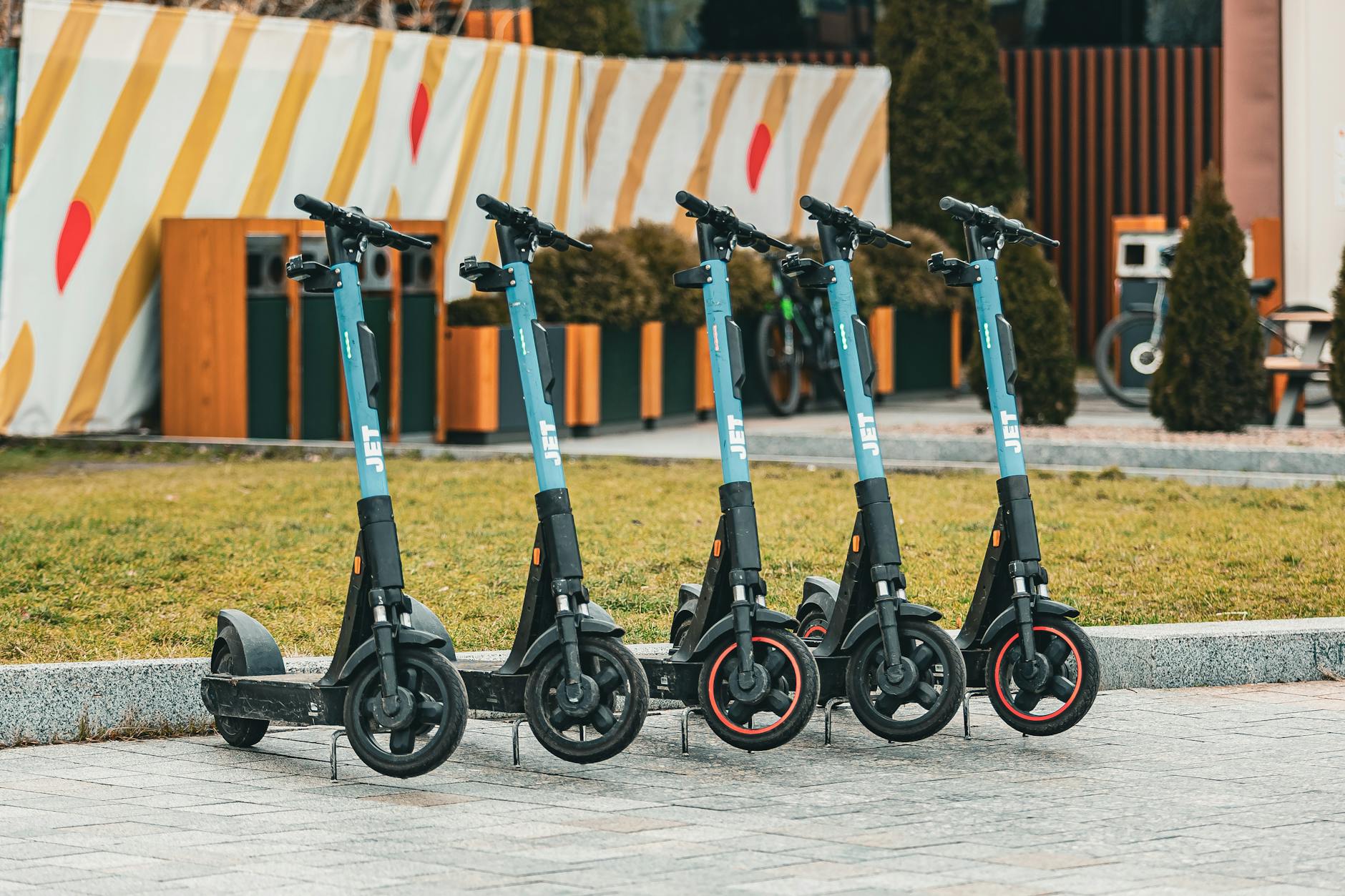
Step-by-Step Guide (how to choose an electric scooter)
If you’re building out your scooter shortlist, also see Best Commuter Electric Scooter — it pairs well with this topic.
Start with where you actually ride. Heavy commuter-ready machines run stable-quiet, but good luck lugging them into an upstairs walk-up. If you’re urban-bound, quick-folding, lighter scooters fit cafés-and-buses far better. Next step: range reality. Does the marketing say 30 miles but your route has hills? Shave off distance. Everyday stopping-power matters, too. Disc brakes deliver confidence as damp-mornings turn sidewalks slick. Wheels count—eight-inch hard-rubber tires transmit bumps directly into your wrists; bigger pneumatics float over cracks. Next question: Do you want a pure-throttle kick, or would a gentler start be less comedic on crowded streets? Throttle-response varies big-time. Finally, check the charger. Can you actually carry it? Stack all these practical steps and you learn scooters feel wildly different in real-world grit. The test ride is your best friend. If it vibes right rolling out of the shop door, you’re already winning the daily ride lottery. Don’t just chase max specs. Trust-feel.
Assessing Motor Power and Speed
Choosing an electric scooter? Get serious about motor power. It’s not just numbers—wattage means real difference in city traffic and bad weather. Test enough models, and you’ll notice: a 250W scooter struggles on hills, especially with groceries or backpack. Stick to flat commuting? You’re fine on low power. Need something punchy—maybe 350W or 500W—if your route includes hills or fast roads. Look beyond top speed. Factory stats are for manuals; real-world max speed varies with your weight and local laws. Test acceleration: that’s what lets you zip away when traffic gets dicey. A bit more motor—always welcome when wind is blowing sideways, or you’re late. But don’t go overboard; too much power can feel twitchy and instantly drain your battery. Remember—choose for your actual roads. That’s what matters.
Battery Life and Charging Time
Battery life is the unsung hero when you’re choosing an electric scooter, but skip the fantasy of marketing specs. Think real-life traffic, windy bike-lanes, hills. Don’t just check the max range; ask yourself—on my average route, what’s left in the tank? For most commuters, a real-world 15-20 mile range kills range-anxiety. But if you’re forgetful, charging time will bite. Some packs take up to eight hours. No lunch-break miracles here. Check for fast-charging capability—life-changing if you get caught out. Be wary of tiny chargers; they’re compact, but easy to lose. The ones worth your money offer a sane charge window and don’t make you sweat watching percentage-bars. If you can pull a battery pack out, that’s convenience gold—charge indoors, avoid theft, prolong battery health. Bigger batteries cost and weigh more. But that once-a-week charging sensation? Absolutely worth it when you don’t want to walk.
Weight and Portability
Weight and portability. It sounds like marketing fluff, but if you’re climbing stairs with your scooter twice a day, that “ultra-light” model starts to feel like a sack of potatoes. I’ve shouldered countless scooters—my limit is anything over 32 pounds. More than that and it’s no longer portable; it’s punishment. Does the folding mechanism actually work when you’re in a rush on a platform? Some latch easy; others require three hacksaws. Handlebar shape—annoyingly overlooked—makes a huge difference when carrying. Are there edges digging into your side? You notice these things after a week. Commuter-real choices mean balancing weight against range. Ultra-light may mean a less satisfying ride. Try carrying before buying—shop floors were made for feeling awkward. Ignore uninformed bloggers: your shoulders deserve respect. Pick for your situation.
Suspension and Wheel Size
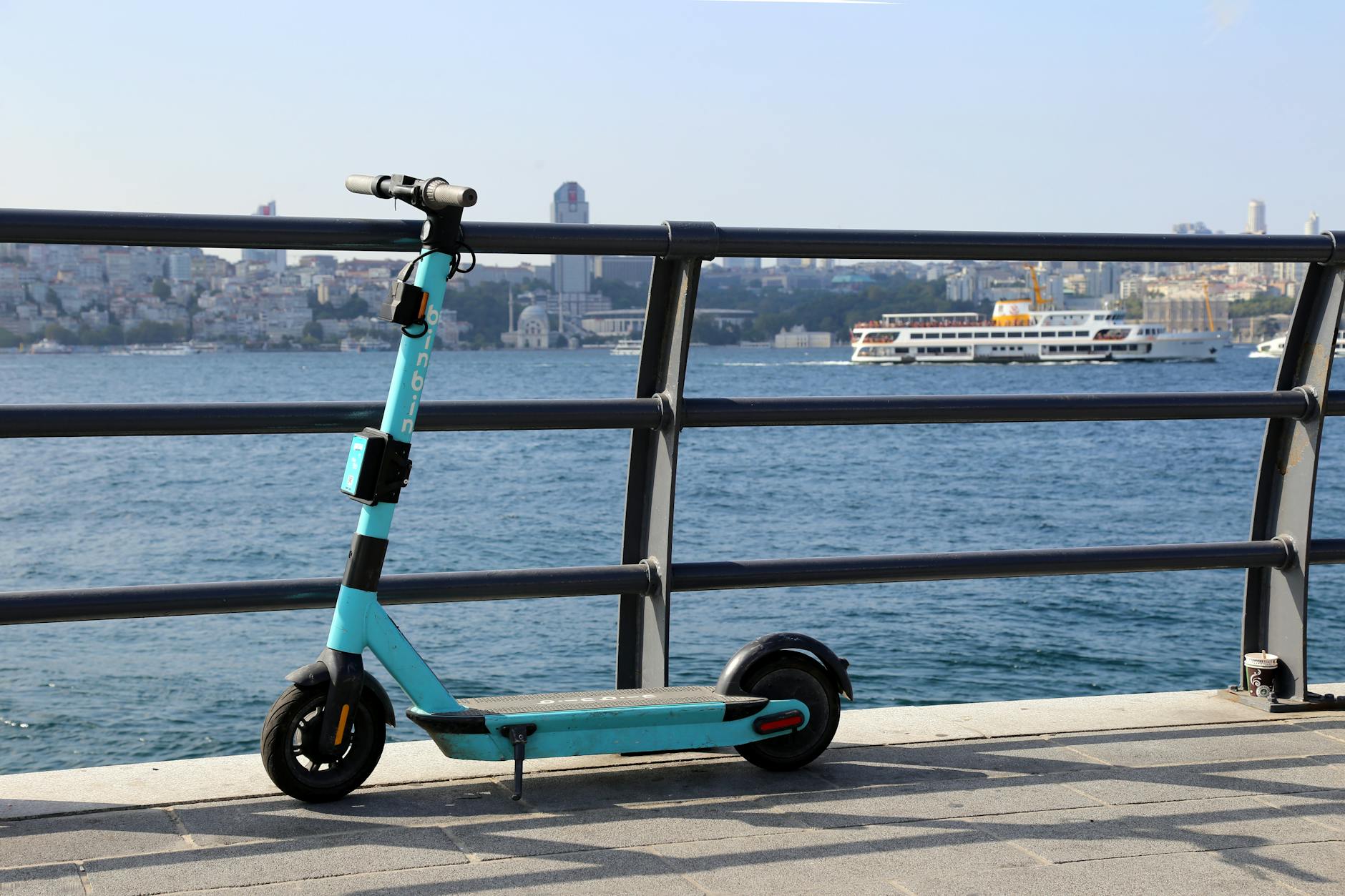
Suspension is where some of the real-world scooter magic happens. If your commute is riddled with cracks, potholes, or old asphalt, solid tires and no suspension might wake your teeth up in the wrong way. Opt for spring or hydraulic setups if your city streets are a rattle-factory. Balance that with maintenance from added complexity. Now, wheel size—eight-inch or less is sporty, but hits bumps with the finesse of a golf cart. Go bigger—nine or ten-inch wheels swallow city ruts and curbs and give better confidence at speed. Pneumatic tires are always worth the occasional pump. Ask yourself—do you want comfort, or sharp-handling madness? The difference is apparent when you’re braking for a taxi, dodging manhole covers, or hopping curbs because traffic’s snarled. Give serious thought to the terrain and your pain tolerance. Your wheels matter.
FAQ
If you’re building out your scooter shortlist, also see Best Folding Electric Scooter — it pairs well with this topic.
Wondering how to choose an electric scooter? This is the part where even seasoned commuters get a bit lost. Everyone asks about speed, range, and weight—but comfort wins every day you’re dodging potholes. User weight? If you’re north of 200lbs, know your limits. Worried about batteries? Most are sufficient, but slower charging means thinking ahead. Maintenance is manageable—keep spares. What’s the deal with weatherproofing? You’ll be fine unless you’re taking the river route. Test before buying. No FAQ will beat real-world feel. One ride is worth hours of research. That’s how you choose.
How do I choose the right motor power for my needs?
Motor power is the beating heart of any electric scooter. If you weigh under 170 pounds and your daily route is mostly flat, something in the 250-350W range will deliver smooth, adequate push. But if your commute has hills, or you just like blasting off at green lights, think in the dual-400W-or-higher territory. This isn’t about showing off; it’s the difference between chugging up a hill like a sad gondola or feeling like quicksilver. Higher power usually means shorter battery range—be honest about your real commuting needs. Overkill motors draw stares at crosswalks, but they carry more weight and cost. Test if you can; sometimes specs hide a surprisingly lazy-feeling ride. Cold-weather commuters should lean toward extra power—headwinds sap cheap motors faster than you’d think. Your weight, terrain, expectations.
What battery capacity should I look for in an electric scooter?
If you’re asking about battery capacity, you’ve already figured out bigger numbers mean more range—good. But here’s where it gets real: if you only commute three miles each way, there’s no need for a giant deck-packing battery. Most scooters boast somewhere around 7Ah to 15Ah—enough for typical errands and commutes. Go bigger if your route is wildly long, you can’t top-up midday, or you run the throttle like you’re late for court. But larger batteries aren’t magic: they add weight, cost, and charge time. Buy a capacity matched to your actual needs, with a bit of headroom for battery ageing or unexpected errands. If life is messy, think about whether you’ll ever forget to charge; most of us do. For short rides, lower capacity’s fine—just don’t skimp so much you find yourself walking home. Choose wisely.
Are electric scooters legal to ride on sidewalks?
When considering how to choose an electric scooter, the legalities are both a practical headache and essential to peace of mind. The rules about riding electric scooters on sidewalks are notoriously patchwork. Forget what your friend in California brags about—where you live, local rules are likely different. Many U.S. cities and towns ban electric scooters on sidewalks altogether; others permit them only at reduced speeds. An officer once waved me off a sidewalk with a look that said, “don’t push your luck.” This awkwardness informs how to choose an electric scooter; if your metro area doesn’t love shared-space, you’ll want a model nimble enough for bike lanes. And trust me—sidewalks are full of pedestrians, not to mention random urban-park landmines like dogs and garbage bins. A tiny-wheeled scooter will rattle your eyeballs loose on uneven concrete. If in doubt, check with your city’s transportation website. Always yield to people.
How important is suspension on an electric scooter?
Suspension on an electric scooter is like having an airbag for your daily sanity. Do you live where pavement means cracks, old repairs, and mystery holes that appear overnight? Then suspension is suddenly a top-tier feature. Without it, every ride becomes a strenuous minigame in pain avoidance. Bounce a little and those same nasty shocks stay at bay. But if you’re zipping on mostly-smooth roads, the cost and maintenance can be skipped since simplicity means fewer things to rattle, squeak or break. It won’t transform a budget scooter into a cloud, but it will save your joints on longer jaunts. Personal rule? If you hit real potholes weekly, get good suspension. Speed fanatic? You want that backup. Occasional urban-only user? Save your wallet. Suspension is about riding happily, not heroics. Decide accordingly.
Can I carry my electric scooter on public transportation?
If you’re eyeing how to choose an electric scooter for real-life commuting, stop and think: can I realistically carry this thing on a crowded bus or train? Foldability matters—most scooters claim to fold, but they’re not all created equal. Some collapse in seconds, others require wrestling and questionable yoga. But weight is the real deal-breaker. You don’t want to hauling 40-pound awkwardness up slippery subway stairs. Anything over 30 pounds—unless you’re jacked—gets old fast. Ask yourself: Can I lift it with one hand and stand steadily while the bus lurches? That means checking the actual weight listed, not the marketing fantasy. Shorter decks help with tight spaces, but they’ll cut foot room for long rides. If your route includes stairs, narrow aisles, or rush-hour chaos, watch crowd reaction: some riders get eyeballed relentlessly. Plan.
Conclusion
So how to choose an electric scooter? Forget the clickbait. You want grunt, range, and something that feels safe under your feet—no creaks, no handlebar wobble. Pick real-world tires if your roads are clapped-out. Weight matters on stairs. Lock-up is a pain, but solid brakes matter more. Battery-wise, double-check your weekly mileage. Don’t ignore weather. Water-resistance is not just a line—my shoes have suffered. Test-rides are truth. One ride, and your good intentions about weight might go out the window. For me, scooter joy is found in ride-everywhere freedom, not just numbers. Go with your gut.
What You’ll Need (how to choose an electric scooter)
Before you even start eyeing spec sheets and dreaming of zipping past morning traffic, let’s talk gear. Knowing how to choose an electric scooter means coming prepared. You’ll want your smartphone—navigation apps and ride trackers are a must. Chargers—always one more than you think you’ll need. Your helmet isn’t optional; that brain-bucket wins every day. Pants cuff bands for chain-guards and puddle splash. And seriously, good shoes—trust me on this after an unexpected slide-on-leaves. You shouldn’t worry—these aren’t exotic tools; just common-sense kit, really. If you’re checking a scooter at home or the shop, a flashlight is absurdly handy to peer inside wheel wells. A tape measure helps if garage space is tight. For test rides, bring id, credit-card, and an umbrella—because rain waits for no test-ride. Pack it all in, and you’ll be primed for that true hands-on electric-scooter comparison. Now you’re ready to choose well.
Safety Notes
Let’s have a sober moment. Electric scooters look like urban toys, but you’re hurtling over asphalt on wheels the size of a salad-plate using brakes with the moral character of a politician. So when choosing an electric scooter, go beyond shiny marketing. Don’t skip the crucial bits—double- check if your city DEMANDS helmets. Battery fire certifications: look for UL2272 labels. Decks should actually fit shoes none of this tippy-toed nonsense you see in ads. Bigger tires mean smoother stops when it’s wet, and solid- construction triumphs over aero-bling. One thing often ignored: deck height. If it’s too low, one particularly-evil pothole sends the whole darn scooter skyward. Mirrors? Essential if you’re anywhere with cars. Lights? Never trust the stock ones—add your own. It’s the small choices that add up to a safe ride. You’re only cool if you avoid road-rash. Your wallet won’t thank you if it’s spilled across the street. Suss out the risks before you buy.
Troubleshooting
Even the best electric scooters aren’t immune to hiccups. One moment you’re cruising, feeling like the king of the bike lane, then suddenly something’s wobbling, whining, or just not behaving. When figuring out how to choose an electric scooter, keep repairability in mind. Check how easy it is to reach the battery, change tires, or replace brake-pads. Look for clear, well-built dashboards—those cheap LCDs are first to die when wet. If your scooter feels sluggish or clicks, it’s often a simple calibration quirk or loose connection. Get one with good manuals or support, so you’re not stranded Googling “flashing red light” in the rain. Some brand-specific quirks are just wiring quirks—owners forums and genuine parts matter. If you’re riding every day, expect little things to creak or need tightening. Weather finds every weak spot. Choose a scooter you can live with, not just one that looks perfect in the showroom. Your future self will thank you. Stay curious, always.