How Long Do Electric Scooter Batteries Last

Background (how long do electric scooter batteries last)
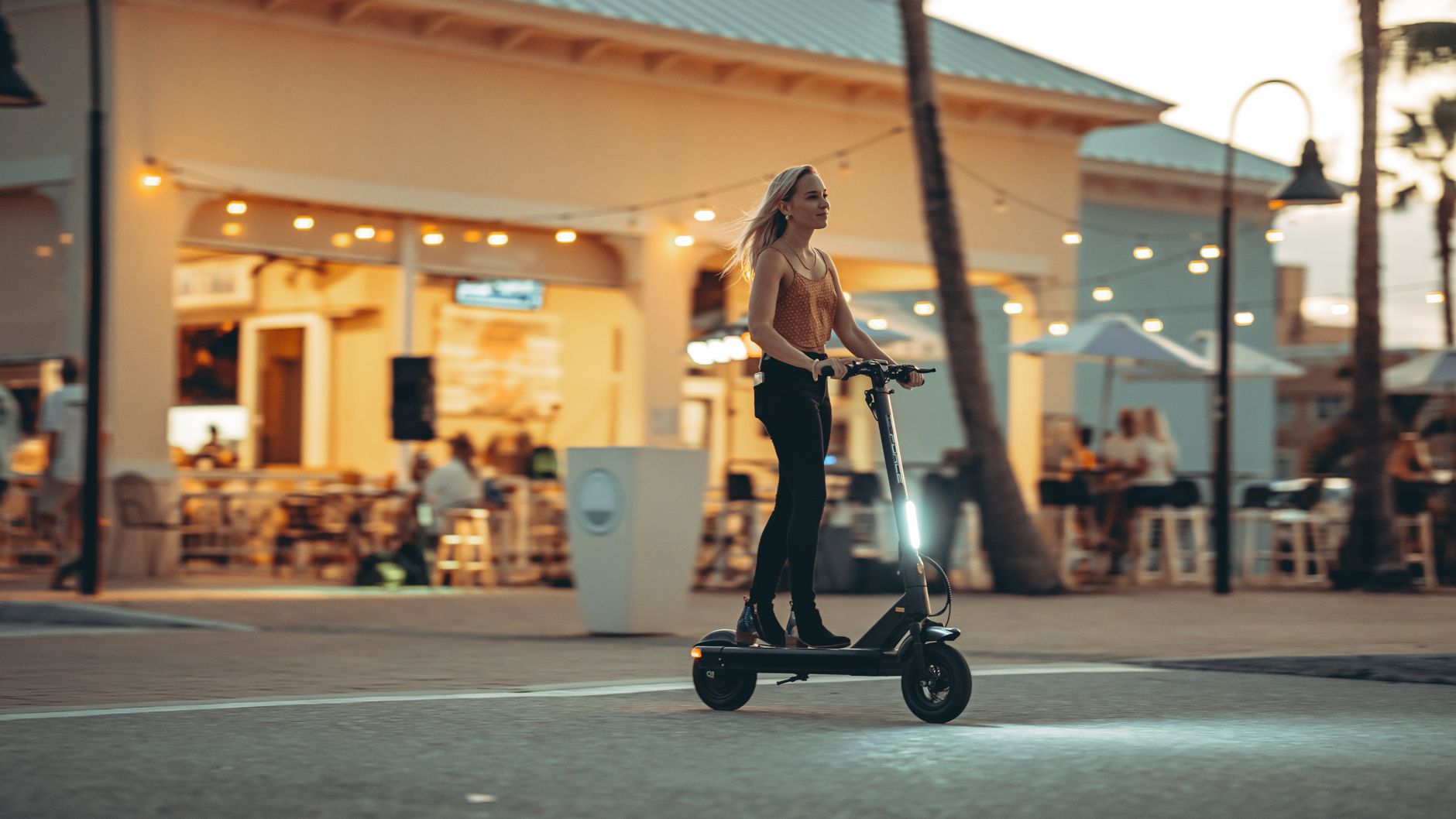
Electric scooter batteries are the unsung heroes of modern urban mobility, sitting under the deck quietly deciding how far you’ll actually get before needing to hunt for a charger. Just like the batteries in your phone, these lithium-ion packs have a finite lifespan—usually measured in charge cycles. But the numbers on the spec sheet rarely tell the whole story. Batteries don’t just age with time; they lose pep from weather, rider weight, hills, and your habit of sprinting from stoplight to stoplight. There’s also a world of difference between someone putting four miles on the office scooter every Tuesday and a guy clocking hundreds of hard commuter miles in the rain. This all adds up to wildly different answers when someone asks how long do electric scooter batteries last. It’s a mix of chemistry, engineering, weather luck, charging habits, and honestly, a bit of how reckless or boring you are as rider.
Evolution of electric scooter batteries
Way back when electric scooters were pretty fringe, batteries were heavy bricks—think lead-acid, barely enough juice to make it round the block. If you asked how long do electric scooter batteries last then, the answer would be “Not long enough!” But once lithium-ion tech stormed the scene, everything changed. Lighter, smaller batteries could pour out real power and stand up to the abuse of stop-go traffic, random rain bursts, and charging on dodgy outlets. Every leap forward in battery chemistry—better coatings, higher density, smarter BMS microchips—edges us closer to scooters you can ride far, charge fast, and actually depend on. In the last decade, next-level cell designs mean scooter batteries aren’t just lasting longer—now they shrug off winter cold and blistering heat with far less capacity drop. These days, when someone asks how long do electric scooter batteries last, the answer varies.
Types of batteries used in electric scooters
When people ask how long do electric scooter batteries last, the starting point is understanding what kind of battery sits under your deck. The world of e-scooters runs almost entirely on rechargeable lithium-ion cells. Forget your old-school heavy lead-acid batteries found in clunky childhood scooters: these modern packs deliver much greater energy density, making them lighter, more compact, and capable of hundreds—sometimes over a thousand—charging cycles. A smattering of budget models still run on cheaper lithium-iron-phosphate (LiFePO4) or even sealed lead-acids, but most commuter-worthy machines proudly use lithium-ion. What really matters is how the battery feels in the real world. Cheap packs can lose capacity sooner, while premium brands hold out like champions. Every charge, commute, rainstorm, and overzealous red-light dash chips away. But with solid lithium-ion, expect roughly two to four years of consistent use—real-life, not laboratory, charge-discharge action. Treat the battery well, and so will your daily ride.
Key Concepts (how long do electric scooter batteries last)
When someone asks how long electric-scooter batteries last, you’re really talking about two different lifespans: one is the runtime on a charge, the other is how many years—well, cycles—until the pack starts to sag. Every lithium-ion battery has a roughly-fixed number of full charge-discharge cycles. The real figure you’ll see in use is 300-800, depending on cell quality, build, and how hard you beat on the scooter. Let me put that in the lived-in terms: if you commute 10 miles daily, charging once per ride, you’re looking at about two to four years before noticeable drop-off. Other variables? Temperatures—leave it all winter in a garage and the cells definitely won’t thank you. Storing fully-charged or bottom-out-dead—neither is ideal. Keep it topped-up—say, 30-80%—if possible. You’ll also notice range shrinks in cold weather; chemistry never plays nice with freezing damp. City hills, stop-start traffic, rider weight—these factor in too, but it’s a predictable curve once you’ve ridden a while. Enjoy.
Battery capacity and its measurement
The first thing everyone wants to know about electric scooters is how long do these batteries actually last. But before getting to numbers, it’s worth wrapping your head around battery capacity and why it matters. Manufacturers love to talk about amp-hours, watt-hours, and voltage. What you really want to know is this: bigger numbers mean longer rides, but not always by as much as you’d hope. Capacity, measured in watt-hours, tells you the potential range under ideal conditions. But your real-world range shrinks fast if you’re heavy, tackle hills, or smash the throttle. Amp-hours (Ah) show capacity too—think of it like the size of the “fuel tank.” For urban riders, capacity means confidence: will this get me home? If you’re comparing, make sure you know both voltage and watt-hour figures. Those two numbers decide everything.
FAQ
How long do electric scooter batteries last? On the streets, with a mix of hills, headwinds, and stoplights, most packs offer two to four years before range takes a serious nose-dive. Expect 300-800 charge cycles. If you ride hard, store outside, or ignore battery care, you’ll shave months or miles. Lithium-ion cells hate extreme heat, and cold wreaks havoc on range. But treat them right, and modern batteries handle commuting with impressive reliability. No worries.
How long do electric scooter batteries last on average?
Gritty commutes, short-haul hops, surprise errands—electric scooter batteries face real-world demands. On average, expect the standard 18650 cell-based pack to deliver roughly 300 to 500 charge cycles before noticeable capacity drop. That’s typically one to three years for daily urban use—absolutely dependable if you aren’t obsessed with every increment of endurance. Neglect, like deep discharging, fast-charging in winter, or leaving your scooter baking in the car, does speed up the fade. A mid-tier commuter still holds a solid charge by month twelve; premium bikes can squeeze out three years if you’re gentle—think garage-storage, avoiding 0% runs, never panic-charging. I ride rain or shine and never trust the display, so I know: when properly used, average scooter batteries last longer than skeptics suppose. Still, real life means eventually, you’ll want freshness.
What influences the longevity of electric scooter batteries?
Batteries aren’t immortal. Pile on the rain, cold, or Miami sun, and you’re taking years off those cells. But let’s talk real-world: commuting stop-and-go, curb-hopping, and quick top-ups. Each full charge counts, but hovering around 80% keeps things healthier. Some brands squeeze more life out by limiting max output; others bet on bigger cells. If you’re heavy-handed with the throttle in January and store the thing dead-flat in July, don’t expect miracles. Keep it indoors, stay above 20%, learn your charger quirks—these habits pay off after a couple years. Thermal management is a game-changer: if your scooter has it, that’s worth smugly mentioning. Cruising gently? You’ll get more. Hill bombing daily? Probably less. Abuse it, lose it. Simple, rugged habits add years, not magic. So how long do electric scooter batteries last? Depends.
How can I extend the battery life on my scooter?
To make your electric scooter battery last as long as possible, think like someone who actually wants to ride not walk. First, don’t store your scooter dead; let it sit too long flat, and you invite power-sapping self-harm. Keep charging topped-up, ideally between 40-80%, so you avoid super-stressing the cells. The worst? Cold or scalding heat. Batteries loathe freezing sidewalks and baking trunks, so store indoors. Riding flat-out nonstop will deplete the cells nearly as fast as forgetting to upright the scooter after your commute. Treat brakes gently—no brutal full-throttle, full-stop hurrah. Check the tires: Under-inflated rubber saps power like crazy. If you ride in rain, dry the connectors, because batteries hate moisture. And don’t leave your charger plugged in overnight. Cruise smart, charge regularly, and you’ll double miles.
Will using my scooter in the rain damage the battery?
Let’s be real: scooters plus rain equals trouble. Riding your electric scooter when it’s wet won’t instantly kill the battery—most are sealed, and manufacturers shout about IP-ratings. But there’s a catch: “water-resistant” usually means it’ll handle splashing, not deep puddles or prolonged downpours. Those tiny gaskets and adhesive-strips? I’ve seen them fail—gritty, soaked commutes force water in the smallest crack. Even worse: cold, wet batteries hate charging, and if moisture trickles to the control wires, it’s curtains. Nobody likes that fried-circuit smell. If you’re caught in rain, dry your scooter fully—especially before plugging in. Maintenance afterward is vital—think wipe-down, garage storage, and warm-up time. What’s this mean for battery life? Repeated water exposure risks corrosion, short-circuits, and increased wear, especially if you ignore ongoing maintenance. A bit of rain isn’t disaster, but make wet rides the exception— not your habit.
How do I know when my scooter battery needs to be replaced?
Your electric scooter starts feeling lazy. You fully charge it, head for work, and three miles later, the battery gauge looks haunted. That’s your biggest clue. Most batteries lose capacity bit by bit, but sudden range drops, longer charge times, and strange voltage dips mid-ride all scream “replace me.” If your scooter’s range is half what it once was—despite gentle riding and proper charging—your battery’s number is up. It’ll keep you rolling a while, but mild frustration will creep in. Ignore it, and someday you’ll trudge your scooter home. Cruel fate, always. The rare puffing-up or weird-smelling battery—park it immediately. That’s dangerous, and it’s not worth the risk. For the rest of us, it’s about reading the range drop, remembering just how long scooters lasted when they were new. Simple.
Conclusion
So after all the talk, how long do electric scooter batteries last? If you’re commuting, zipping to classes, or dodging city potholes, it boils down to real-world habits. Ride hard, charge recklessly and your range fades fast. Treat it right—keep it topped between 20-80%, avoid deep freezes, get four years—maybe. But there’s no set expiration date; you really feel it lose steam month by month. The truth? Replacement batteries aren’t scary, just part of the electric game. Plan for it, budget a bit, and you’ll keep rolling—zero oil-changes, less mess, long after most folks expect. Ride clean, ride smooth, but don’t panic over calendar dates; pay attention to performance and charging quirks. If your mileage drops, just upgrade confidently.
Practical Guidance
If you want your electric scooter battery to last as long as possible, stop thinking like it’s just a throwaway gadget. Pick a charger spot where it won’t bake in the sun or freeze overnight. Don’t run it all the way down to empty—lithium-ion cells hate that. Plug in before you’re desperate. Also, avoid leaving it plugged-in forever; unplug and roll when it’s done. Every couple of months, take the scooter for a spin even if you’re not commuting. A dead-flat battery sitting unused ages fast. And think: even if you buy a replacement pack after two years, the cost beats gas and oil by miles. Keep your tire pressures proper, ride smooth—if your watt-hours last longer, so does your battery. Most importantly: buy from a brand with easy-to-get spares. Almost any battery will slowly fade. It’s just part of scootering.